 how-to
9 Steps to Sell Your House Successfully
Last Updated: October 25, 2026
Quick Summary
To sell house successfully in Lakemba, start with a professional market appraisal to determine your property's realistic value, then prepare your home thoroughly for inspections and open homes. Choose between auction or private treaty based on market conditions, select an experienced local agent, and plan a realistic 4-8 week timeline from listing to settlement.
- Get a professional market appraisal before setting your asking price
- Prepare your house thoroughly with deep cleaning, decluttering, and fixing obvious maintenance issues
- Most houses take 4-8 weeks to sell from listing to settlement depending on market conditions
- Choose between auction for competitive bidding or private treaty for flexible negotiation
- Budget for real estate agent commission, legal fees, marketing costs, and potential repairs identified during inspections
Table of Contents
- Step 1: Get a Professional Market Appraisal for Your House
- Step 2: Prepare Your House for Inspection and Open Homes
- Step 3: Understand the Costs of Selling a House
- Step 4: Choose Between Auction vs Private Treaty
- Step 5: Select the Right Real Estate Agent
- Step 6: Develop Your Selling House Timeline
- Step 7: Work Through Your Selling a House Checklist
- Step 8: Market Your Property Effectively
- Step 9: Negotiate Offers and Complete Settlement
- Frequently Asked Questions
Step 1: Get a Professional Market Appraisal for Your House
A professional market appraisal tells you what your house is actually worth. This is where selling a house begins. Without this figure, you're guessing.
The median house price in your area has varied across recent reports. According to AreaSearch market data, the median sits at AUD 1,525,000 so far in 2026. However, property.com.au suburb profiles and realestate.com.au listings report different figures depending on the time period and number of sales included. This variation matters: a suburb-wide median is context, not a valuation of your specific property.
Your house is unique. Its condition, layout, location within the suburb, and recent upgrades all affect its value. A professional appraisal accounts for these details.
At Wiseman Realty, we provide free market appraisals that give you a realistic starting point. We analyse recent comparable sales, current market conditions, and your property's specific features. This appraisal becomes your foundation for every decision that follows.
Why this step matters:
- Sets your asking price in a competitive range
- Helps you understand whether the market favours sellers or buyers right now
- Prevents overpricing (which kills interest) or underpricing (which costs you money)
You can access guidance on what to expect from a house appraisal in your area before you contact an agent.
Step 2: Prepare Your House for Inspection and Open Homes
First impressions decide whether buyers want to see more or move on. Preparation is not optional when you selling a house.
Start with the essentials: clean thoroughly, declutter, and fix obvious problems. Buyers notice peeling paint, broken fixtures, and overgrown gardens. These small issues suggest larger maintenance problems.
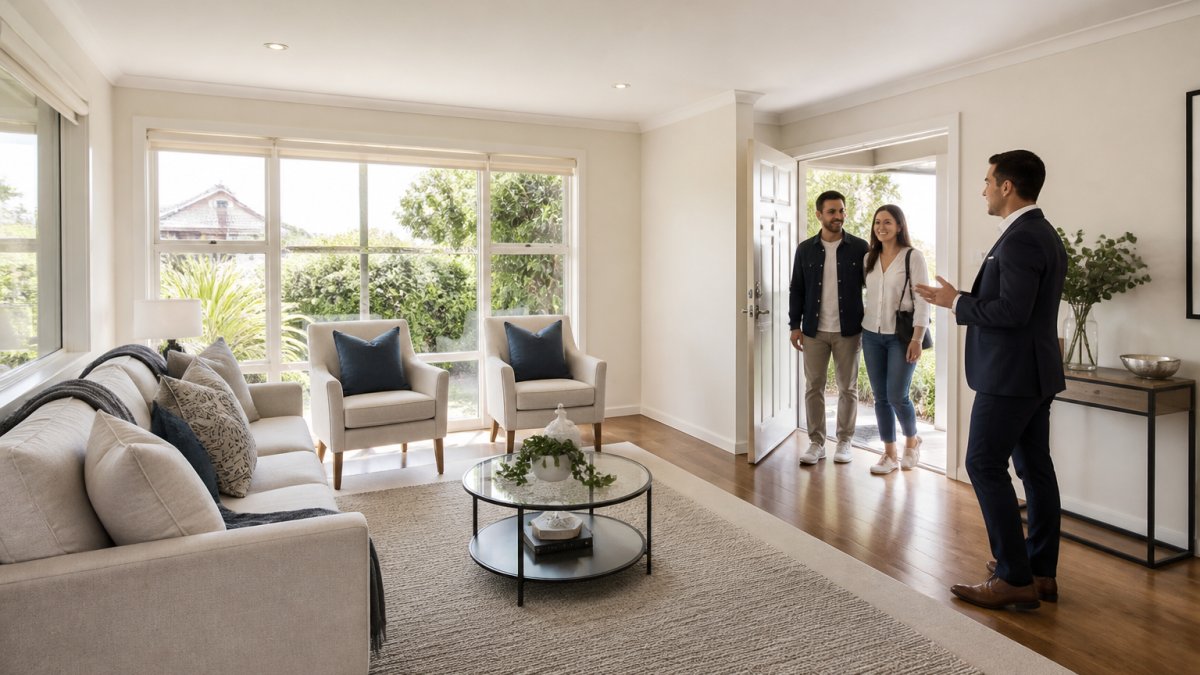
Quick wins that work:
- Paint walls in neutral colours (white, soft grey, warm beige)
- Deep clean carpets or have them professionally cleaned
- Fix leaky taps, squeaky doors, and loose handles
- Trim hedges and mow the lawn
- Remove personal items (family photos, quirky decorations)
- Stage living areas with minimal, quality furniture
Kerb appeal matters. The first thing buyers see is your front entrance. A tidy garden, clean driveway, and welcoming entrance add perceived value before anyone steps inside.
Open homes work best when your house feels spacious and bright. Open curtains during the day. Remove clutter from benches and shelves. A few potted plants add freshness without overwhelming the space.
Step 3: Understand the Costs of Selling a House
Selling a house costs money. Most sellers underestimate these costs until settlement approaches.
Your main expenses include real estate agent commission, legal fees, and marketing costs. Some expenses are fixed; others depend on your property's sale price and the services you choose.
Real estate agent commission is typically negotiated as a percentage of the sale price. Legal fees cover conveyancing and settlement documentation. Marketing costs vary: basic packages include photography and online listings, whilst premium packages add video, floorplans, and paid advertising.
Get a detailed breakdown of what you'll pay when selling your property.
Other costs to budget for:
- Pest and building inspections (if required by the buyer)
- Repairs identified during inspections
- Rates and strata levies (prorated to settlement date)
- Mortgage discharge fees (if you have a loan)
The exact total depends on your property's value, the agent's package, and any unexpected repairs. Don't be surprised by these costs, budget for them upfront.
Step 4: Choose Between Auction vs Private Treaty
Two main methods exist for selling a house: auction and private treaty. Each has distinct advantages and trade-offs.
Auction creates urgency and competitive bidding. Multiple buyers bid against each other, often driving the price higher than private treaty. Auctions suit hot markets where demand exceeds supply. They also suit properties with clear market appeal and no major issues.
Private treaty allows flexible negotiation. You set an asking price, and buyers make offers. Private treaty suits slower markets, unique properties, or situations where you need time to sell. It also works when the property needs work or has features that appeal to a specific buyer rather than the general market.
Research from academics examining residential sales across major Australian markets found that auction and private treaty methods produce different outcomes depending on market conditions. The choice depends on your timeline, market conditions, and the property itself.
Ask your agent which method suits your situation. In a strong seller's market, auction often wins. In a slower market, private treaty gives you more control and flexibility.
Step 5: Select the Right Real Estate Agent
Your agent shapes the entire selling process. A good agent markets your property effectively, communicates honestly, and negotiates on your behalf. A poor agent costs you time and money.
Interview at least three agents before deciding. Ask about their experience selling houses in your area, their marketing approach, and their commission structure. Request references from recent clients.
Explore broader guidance on selecting an agent as part of your overall selling strategy.
Look for agents who:
- Have sold multiple properties in your suburb recently
- Can explain their marketing strategy in detail
- Offer transparent, negotiated commission rates
- Respond promptly to your questions
- Provide regular updates during the selling process
At Wiseman Realty, we combine local market knowledge with personalised service. Our marketing packages, Bronze, Silver, Gold, and Platinum, include photography, floorplans, video, online advertising, social media, and direct buyer engagement. We're transparent about costs and committed to getting you the best result.
Step 6: Develop Your Selling House Timeline
Timing affects your outcome. A realistic timeline prevents rushed decisions and allows proper marketing.
Most houses take 4-8 weeks to sell from listing to settlement, depending on market conditions and your property's appeal. Some sell faster; others take longer. Your agent should give you a realistic estimate based on recent comparable sales.
Typical timeline for selling a house:
- Week 1-2: Appraisal, preparation, and marketing setup
- Week 3-6: Active marketing and open homes
- Week 7-8: Negotiation and offer acceptance
- Week 9-12: Inspection, settlement, and handover
Plan around your personal circumstances. If you need to sell by a specific date, tell your agent early. They can adjust strategy, perhaps pricing more competitively or increasing marketing spend, to meet your deadline.
Don't rush the preparation phase. A well-prepared house sells faster and for more money than a rushed one.
Most houses follow a predictable timeline from listing to settlement, though market conditions and property appeal affect the pace.
| Phase | Timeframe | Key Activities |
|---|---|---|
| Preparation | Week 1-2 | Appraisal, preparation, and marketing setup |
| Marketing | Week 3-6 | Active marketing and open homes |
| Offers | Week 7-8 | Negotiation and offer acceptance |
| Settlement | Week 9-12 | Inspection, settlement, and handover |
| Overall | 4-8 weeks | Listing to settlement (typical range) |
Step 7: Work Through Your Selling a House Checklist
A checklist keeps you organised and ensures nothing falls through the cracks.
Before you list:
- Get professional market appraisal
- Deep clean and declutter
- Fix obvious maintenance issues
- Take professional photos
- Prepare property disclosure documents
- Confirm mortgage details and discharge process
During marketing:
- Attend open homes and gather feedback
- Review buyer enquiries with your agent
- Update listings if needed
- Keep property clean for inspections
After offer acceptance:
- Schedule pest and building inspections
- Address any inspection issues
- Confirm settlement date with conveyancer
- Arrange property handover logistics
- Notify utilities of change of ownership
At settlement:
- Verify all funds have been received
- Hand over keys and access codes
- Provide meter readings
- Confirm final rates and strata payments
Step 8: Market Your Property Effectively
Marketing determines how many buyers see your property. More exposure means more offers and stronger negotiating power.
Professional photography is essential. Buyers scroll through dozens of listings online. Poor photos mean your property gets skipped. Quality photos show your house in the best light, literally. Good lighting, clean spaces, and professional composition matter.
Video tours add depth. A 60-90 second video lets buyers walk through your house before attending an open home. This filters out unsuitable buyers and attracts genuinely interested ones.
Online advertising reaches the most buyers. Your listing should appear on major property portals, your agent's website, and social media. Paid advertising extends reach beyond organic listings.
Open homes create urgency. Buyers see competing interest when multiple people attend. Weekend open homes attract the most foot traffic.
Your agent's marketing package should include all these elements. Premium packages add more advertising spend, extended listing periods, and professional staging advice.
Step 9: Negotiate Offers and Complete Settlement
Offers usually come in below asking price. Negotiation is normal. Your agent handles this on your behalf, presenting counteroffers and pushing back on unrealistic demands.
Once you accept an offer, the buyer typically has 7-14 days to arrange pest and building inspections. These inspections often reveal issues. Buyers may request repairs or a price reduction. Negotiate these issues fairly, refusing all requests can kill the deal, but accepting everything costs you money.
Settlement is the final step. Your conveyancer handles legal documentation. The buyer's bank transfers funds. You hand over the keys. This usually happens 4-6 weeks after offer acceptance.
Keep communication open with your agent and conveyancer throughout. Settlement delays are rare but frustrating when they happen. Staying informed prevents surprises.
Selling a house involves multiple moving parts. Market appraisals, preparation, cost planning, agent selection, and strategic marketing all influence your result. The process takes time, but rushing creates costly mistakes. At Wiseman Realty, we guide you through each step with honest advice and practical support. Our Bronze, Silver, Gold, and Platinum marketing packages ensure your property reaches the right buyers. Request your free market appraisal today and start your selling journey with confidence.
Frequently Asked Questions
How do I sell my house successfully?
Start by getting a professional market appraisal to understand your property's value. Then prepare your house thoroughly, choose between auction or private treaty sale, select an experienced agent, and follow a structured timeline. A comprehensive selling a house checklist keeps you organised through inspections, marketing, negotiations and settlement.
What costs should I expect when selling a house?
Costs of selling a house typically include agent commission, legal and conveyancing fees, marketing expenses, and settlement costs. Some sellers also budget for repairs, pest inspections or building reports if required. Exact costs depend on your property's sale price, the marketing package chosen, and any additional services. Contact your agent for a detailed breakdown of anticipated costs before you commit to selling.
Should I sell by auction or private treaty?
Auction vs private treaty each suit different situations. Auction creates urgency and can attract multiple buyers, ideal for properties in strong demand. Private treaty offers flexibility in timing and negotiation, suiting properties that need more marketing time. Research from A. Frino and co-authors examines differences in residential sale prices between these methods across major Australian markets. Your agent can advise which approach suits your property and current market conditions.
How long does it take to sell a house?
Your selling house timeline typically spans 6-12 weeks from listing to settlement, though this varies. Preparation, marketing, inspections, and negotiations add time before settlement. Working with an experienced agent helps you understand realistic timeframes for your specific property and market conditions.