 how-to
How to Sell a House in Sydney: A 2026 Guide
Last Updated: October 23, 2026
Quick Summary
To sell a house in Sydney, prepare your property for sale, choose a sales method (private treaty is most common), price competitively using professional valuation, market effectively across multiple channels, and complete the legal process through your conveyancer. The entire process typically takes 5-6 weeks from listing to settlement.
- Sydney home prices fell 0.3% in September 2026 and were 5.5% below their November 2025 peak
- Vendor discounts averaged 4.0% in spring 2026, with properties taking around 39 days to sell on average
- Total selling costs typically range from 3% to 5% of the sale price
- Spring (September-November) offers peak buyer activity and the best timing to sell
- Private treaty is the most common and recommended sales method for most sellers
Table of Contents
- How to Sell a House in Sydney: The Essential Process
- Steps to Selling a Property in NSW
- How Long It Takes to Sell a House
- Costs of Selling a House in Sydney
- Capital Gains Tax on Property Sale
- What Documents You'll Need
- Timing Your Sale: Market Conditions in 2026
- Getting Professional Support
- Frequently Asked Questions
How to Sell a House in Sydney: The Essential Process
Selling a property is one of the biggest financial decisions you'll make. The process requires careful planning, honest pricing, and strategic marketing. At Wiseman Realty, we guide homeowners through this journey.
The Sydney market is shifting. Home prices fell 0.3% in September 2026, and values were 5.5% below their November 2025 peak (realestate.com.au's September 2026 Home Price Report). But here's what matters: market conditions vary dramatically by price segment. Top-quartile properties fell 5.2% over three months to July, while bottom-quartile homes fell just 1.4% (OpenAgent's 2026 market analysis). This means your strategy must fit your specific market position, not follow generic advice.
This guide walks you through every step to sell a house in Sydney. We'll cover preparation, pricing, marketing, negotiation, and the costs you need to understand. Whether you're selling in Lakemba, Belmore, or across greater Sydney, the fundamentals remain the same.
Steps to Selling a Property in NSW
The process to sell a house in Sydney follows a clear sequence. Each step builds on the last. Skip one, and the entire sale can stall.
Step 1: Prepare Your Property for Sale
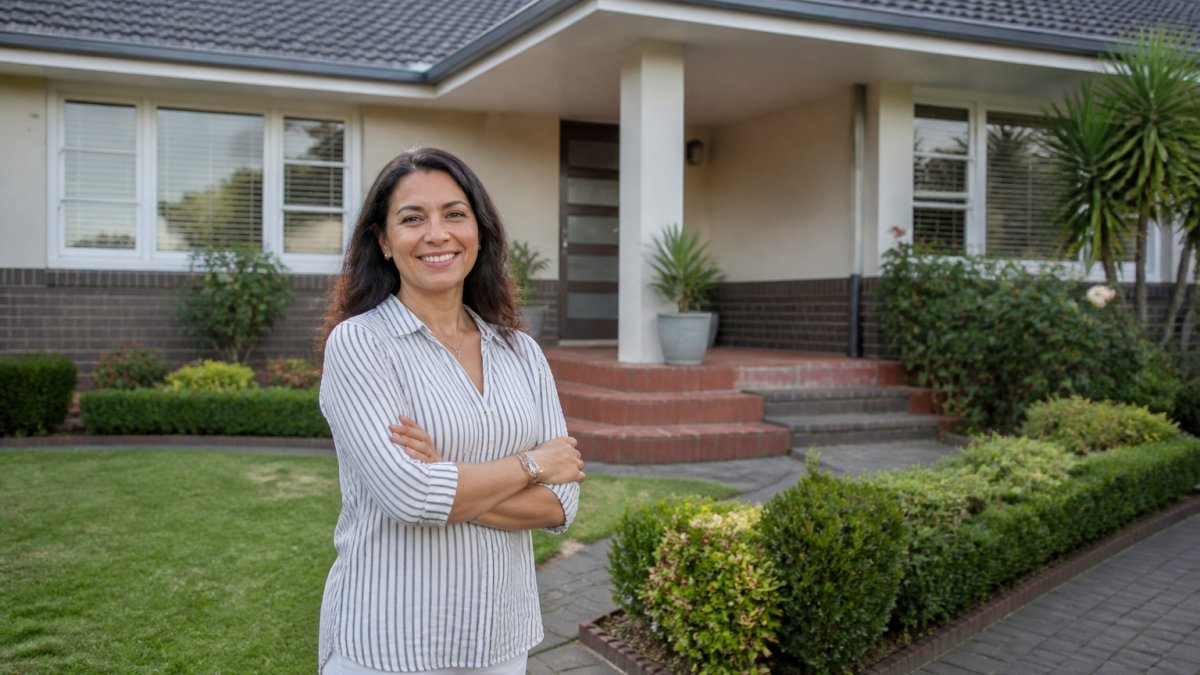
First impressions matter enormously. Buyers form opinions within seconds of arriving at your home. Your property must show well.
Focus on these areas:
- Exterior appeal. Mow the lawn, trim hedges, and paint the front door if needed. Clean windows and gutters. Power-wash the driveway.
- Interior cleanliness. Deep clean every room. Remove clutter and personal items. Neutral décor appeals to more buyers.
- Minor repairs. Fix leaky taps, replace broken tiles, and patch walls. These small issues signal poor maintenance.
- Staging. Arrange furniture to show space. Open curtains for natural light. Remove excess belongings.
Professional photography and video tours are now standard. Many buyers search online before viewing in person. Your online presentation often determines whether they book an inspection.
Step 2: Choose Your Sales Method
You have three main options: private sale, auction, or private treaty. Each has advantages and trade-offs.
Private sale means selling directly to a buyer without an agent. You save commission but handle all marketing and negotiation yourself. This works only if you have strong market knowledge.
Auction creates urgency and competition. Buyers know the sale date and must bid publicly. Auctions work best in strong markets. Sydney's average auction clearance rate was 71% in March 2025 (Which Real Estate Agent's 2026 timing guide), indicating solid buyer demand when conditions favour sellers.
Private treaty (negotiated sale) is most common. You list at a price, and buyers make offers. This gives flexibility and often attracts serious buyers. It suits most market conditions.
We recommend private treaty for most sellers because it allows negotiation room and appeals to the widest buyer pool.
Step 3: Price and List Your Property
Pricing is critical. Price too high, and your home sits unsold. Price too low, and you leave money on the table.
Get a professional valuation. Use recent comparable sales in your suburb. Consider:
- Property size and condition
- Land value
- Recent renovations
- Market trends in your area
List your property with clear, honest descriptions. Use professional photography. Include a floor plan. Highlight unique features.
Step 4: Market and Negotiate
Marketing determines who sees your property. Effective marketing reaches qualified buyers quickly.
Use multiple channels:
- Online portals and real estate websites
- Social media advertising
- Open houses and private inspections
- Direct contact with buyer networks
- Email campaigns to past buyers in your area
Wiseman Realty's marketing packages combine photography, floor plans, video tours, online advertising, and social media engagement.
When offers arrive, negotiate firmly but fairly. Don't accept the first offer unless it meets your target price. Buyers expect negotiation.
Step 5: Complete the Sale
Once you accept an offer, the legal process begins. Your conveyancer handles contracts, title transfer, and settlement.
Key milestones:
- Exchange of contracts. Both parties sign. Buyer pays a deposit (usually 10%).
- Cooling-off period. Buyer has time to conduct inspections and secure finance.
- Settlement. Final payment occurs. You hand over keys and ownership transfers.
This typically takes 6-8 weeks from offer to settlement.
How Long It Takes to Sell a House
The timeline depends on market conditions, your property, and your pricing.
In strong markets, sales happen in 4-6 weeks. In slower markets, 8-12 weeks is typical. Some properties take longer if priced incorrectly or positioned poorly.
Vendor discounts averaged 4.0% in spring 2026, with properties taking around 39 days to sell on average (Sydney Spring Property Report 2026 insights). This suggests most sales complete within 5-6 weeks once listed.
Factors that speed up sales:
- Competitive pricing
- Strong presentation
- Effective marketing
- High buyer demand in your suburb
- Flexible settlement dates
Factors that slow sales:
- Overpricing
- Poor condition or presentation
- Limited marketing
- Slow market conditions
- Rigid settlement requirements
Costs of Selling a House in Sydney
Selling costs reduce your net proceeds. Budget for these expenses:
Agent commission. This varies but typically ranges from 1.5% to 2.5% of the sale price. Negotiate this upfront. Some agents offer discounts for bundled services.
Legal and conveyancing fees. Your conveyancer charges for contract preparation, title searches, and settlement coordination. Expect $800-$1,500 depending on property complexity.
Marketing costs. Professional photography, floor plans, and online advertising add up. Budget $500-$2,000 depending on your chosen approach.
Inspection and pest reports. These pre-emptive inspections cost $300-$800 and can prevent buyer objections later.
Council and water rates adjustments. These are typically split between buyer and seller based on settlement date.
Mortgage discharge fees. Your lender charges $150-$300 to release the mortgage.
Title insurance and other miscellaneous costs. Budget an additional $200-$500.
Total costs typically range from 3% to 5% of the sale price. On a $1 million property, expect $30,000-$50,000 in total costs.
Capital Gains Tax on Property Sale
Capital gains tax (CGT) applies to profit on investment properties but not your principal place of residence.
Principal residence exemption. If you've lived in the home as your main residence for the entire ownership period, you pay no CGT on the profit. This exemption is generous and covers most owner-occupiers.
Investment properties. If you own the property as an investment, you must declare the capital gain to the Australian Taxation Office (ATO). The gain is the sale price minus your purchase price and allowable expenses (legal fees, agent commission, improvements).
You pay tax on 50% of the capital gain if you've owned the property for more than 12 months (the CGT discount). If owned for less than 12 months, you pay tax on the full gain.
For example: You buy an investment property for $500,000 and sell for $600,000 after three years. Your capital gain is $100,000. With the 50% discount, you declare $50,000 as income. Your tax depends on your personal tax rate.
Consult an accountant or tax adviser for your specific situation. They can identify deductible expenses and optimise your tax position.
What Documents You'll Need
Selling requires paperwork. Gather these documents early:
- Certificate of Title. Proves ownership. Your lender holds this if you have a mortgage.
- Building and pest inspection reports. Show property condition to buyers.
- Rates and water bills. Confirm council and water charges.
- Body corporate documents (if applicable). For apartments or townhouses, provide by-laws and financial records.
- Maintenance records. Receipts for major work (roof, plumbing, electrical) build buyer confidence.
- Energy efficiency certificate. Required in NSW for rental properties; optional but helpful for sales.
- Mortgage discharge form. Your lender provides this to release the loan.
- Insurance details. Transfer home and contents insurance to the buyer if requested.
Your conveyancer will request these documents and handle the legal paperwork.
Timing Your Sale: Market Conditions in 2026
Market timing affects your sale outcome. Current conditions favour buyers more than sellers.
Sydney home prices are declining. Houses fell 0.5% in September 2026 and were 6.9% below peak, while units were 2.9% below peak (realestate.com.au's September 2026 Home Price Report). However, forecasts suggest house and unit prices may rise around 5-7% in 2026, indicating potential recovery.
The key insight: market conditions vary by price segment. Bottom-quartile properties held value better than top-quartile homes. This suggests affordable homes face less pressure than luxury properties.
Best timing to sell:
- Spring (September-November). Peak buyer activity. Schools have settled. Weather is pleasant for inspections.
- Early summer (December-January). Still strong demand. Families want to move before school starts.
- Avoid winter (June-August). Fewer buyers inspect in cold, wet weather. Sales slow.
If you need to sell now, price competitively and market aggressively. If you can wait, spring 2026 offers better conditions.
Getting Professional Support
Selling a house involves legal, financial, and marketing expertise. Professional support simplifies the process and often increases your sale price.
Real estate agent. A good agent handles marketing, buyer negotiations, and timeline management. They know local market conditions and buyer preferences. Interview multiple agents before choosing.
Conveyancer or solicitor. Essential for legal paperwork and settlement. They protect your interests and ensure compliance with NSW property law.
Accountant or tax advisor. Especially important if selling an investment property. They identify tax deductions and optimise your position.
Wiseman Realty combines all these elements. We provide free market appraisals, professional property marketing through our Bronze, Silver, Gold, and Platinum packages, and direct buyer engagement. Our team handles the details so you can focus on your next move. We've served homeowners across Lakemba, Belmore, Campsie, Wiley Park, Punchbowl, and beyond. Call 1800 905 091 or visit www.wisemanrealty.com.au to discuss your sale.
Frequently Asked Questions
What are the key steps to selling a house in Sydney?
Start by preparing your property and obtaining a market appraisal. Choose your sales method (auction, private treaty, or tender). Price competitively based on recent comparable sales, list your property with professional marketing, and negotiate with buyers. Finalise the contract, arrange pest and building inspections, obtain settlement funds, and complete the legal transfer. The process typically takes 6-12 weeks from listing to settlement, depending on market conditions and buyer response.
How much does it cost to sell a house in Sydney?
Selling costs typically include agent commission (usually 1.5-2.5% of the sale price), marketing fees, legal fees, and conveyancing costs. You may also incur inspection and pest report fees, council and water rates adjustments, and land tax if applicable. Pricing depends on your property's value, location, and the services you choose. Contact Wiseman Realty for a free market appraisal and detailed cost breakdown tailored to your situation.
Do I have to pay capital gains tax when I sell my house?
Capital gains tax (CGT) applies when you sell an investment property or a property that was not your main residence. Your principal place of residence is generally exempt from CGT. The tax is calculated on the gain (sale price minus original purchase price and allowable costs). You must include any CGT liability in your tax return. Seek advice from a tax professional or accountant to understand your specific obligations and any exemptions that may apply.
How long does it take to sell a house in Sydney?
Most properties take 6-12 weeks from listing to settlement. The timeline depends on market conditions, property type, price point, and buyer demand. In stronger markets (clearance rates above 65%), properties sell faster. In slower markets, it may take longer. Spring typically sees faster sales, whilst winter can extend the process. Your agent can provide a more accurate estimate based on current market conditions and your property's characteristics.
Selling a house demands strategy, timing, and professional guidance. The process is manageable when you understand each step and work with people who know your local market. Market conditions in 2026 favour informed sellers who price fairly and market effectively. Wiseman Realty has helped hundreds of homeowners navigate this journey with honest advice and proven results. Request a free market appraisal today and take the first step toward a successful sale.